
If you're seeing any of these dashboard indicator lights illuminate in your Mercedes-Benz, contact Hendrick Motors of Charlotte to schedule an appointment to run a diagnostic test.
 | ABS Light |
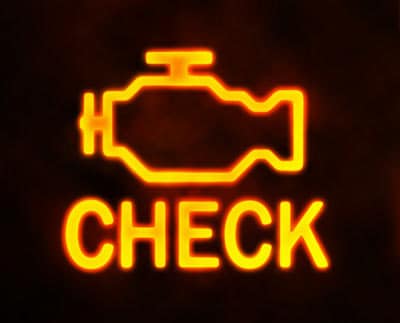 | Check Engine Light |
 | Airbag Light |
 | Tire Pressure Light |
 | Seat Belt Indicator |
 | Gas Light |
Mercedes-Benz Dashboard Indicator Lights and What They Mean
A symbol lights up on your instrument cluster and you have seconds to decide whether it matters. This guide to Mercedes-Benz dashboard indicator lights tells you which ones mean pull over, which mean book an appointment, and which mean nothing is wrong at all.
Schedule Service | Service Specials | Service Center
What Do Mercedes-Benz Dashboard Indicator Lights Mean?
Mercedes-Benz dashboard lights follow a traffic-light color system. Red means stop as soon as it is safe. Yellow or amber means the vehicle needs attention soon but is usually still drivable. Green, blue, and white are informational. Color tells you urgency before you identify the symbol.
That one rule covers most of what a driver needs in the moment. Our factory-trained Mercedes-Benz technicians diagnose these warnings every day for drivers across Charlotte, Matthews, and Mint Hill. Below is what each symbol means, what to do next, and what your service indicator is telling you when it is not warning you about anything at all.
The Three Types of Mercedes-Benz Dashboard Lights
Not every illuminated symbol is a problem. Mercedes-Benz sorts dashboard lights into three groups, and knowing which group you are looking at answers most of the question before you identify the symbol itself.
On/Off Indicators
These confirm that a feature is switched on. Turn signals, headlights, fog lamps, and cruise control all fall here. They are almost always green or blue, and they need no action at all.
Condition Indicators
These tell you something needs attention without being urgent. Low tire pressure, low fuel, and low washer fluid are typical. Most have quick fixes you can handle yourself or mention at your next visit.
Malfunction Indicators
These mean the vehicle has detected a fault affecting safety, performance, or emissions. The check engine light, ABS, temperature warnings, and electric power steering all sit in this group. These are the ones worth acting on the same day.
Mercedes-Benz Dashboard Symbols by Color
Identify the color first, then the symbol. Symbol appearance varies by model, model year, and equipment, so treat this as a fast reference and your owner's manual as the final word.
Red Lights: Stop as Soon as It Is Safe
Red indicates a fault affecting safety or one that risks damage if you keep driving. Find a secure place to pull over, then contact us rather than continue.
Yellow and Amber Lights: Schedule Service Soon
Yellow means something needs attention, not that you need to abandon your commute. Book an appointment rather than waiting for your next scheduled visit.
Green, Blue, and White Lights: Information Only
These confirm a system is active and need no action. Green covers turn signals, headlights, fog lamps, and cruise control including DISTRONIC®, the Mercedes-Benz system that holds a set distance from the car ahead. Blue means high beams. White covers informational readouts such as ECO start/stop status. If everything on your cluster is green, blue, or white, nothing is wrong.
When a Light Flashes Instead of Staying Solid
Flashing changes the meaning, and this is where drivers most often misread their vehicle.
A flashing check engine light typically indicates an active misfire that can damage the catalytic converter. Reduce speed and seek service promptly rather than finishing a long drive. A steady check engine light is less urgent, and you can usually drive to your appointment.
A flashing ESP® light is not a fault. It means the system is actively working to keep you stable right then, which also means you are near the limit of available traction. Ease off and slow down.
A flashing red steering symbol typically points to a steering column lock malfunction.
If you recognize any red symbol on this page, or a yellow one that will not clear, do not wait for your next scheduled maintenance visit. Schedule service online and we will identify the cause before it becomes a repair.
What is the Mercedes-Benz Recommended Maintenance Schedule?
The Mercedes-Benz recommended maintenance schedule alternates between two visits, Service A and Service B, approximately every 10,000 miles or 12 months, whichever comes first. Service A covers oil, filters, fluids, and inspections. Service B includes everything in Service A and adds a cabin filter replacement and a brake fluid exchange.
Your dashboard tells you which one is coming, and this is the symbol most owners misread as a warning. Mercedes-Benz models built from the 2006 model year forward use ASSYST, the Active Service System, which displays a wrench symbol and a message such as "Service A due in 30 days" in your instrument cluster. That wrench is a maintenance reminder, not a fault.
The system counts down in both miles and days, and it typically gives you about a month of notice before we need to see you. ASSYST and the newer ASSYST PLUS also adjust to how the vehicle is actually driven, weighing mileage, engine hours, time, and operating conditions rather than following a fixed odometer count. A Mercedes-Benz that spends its life in stop-and-go traffic on Independence Boulevard may reach its next service sooner than one driven mostly on open highway.
You may occasionally see a different letter or a letter paired with a number. Anything beyond Service A or B, such as Service C or a code like A1, means additional model-specific work is due alongside the standard interval. If a service is already past due, the display switches to showing how far overdue it is.
Recommended Maintenance Schedule
Mercedes-Benz groups routine maintenance into two alternating visits for 2009 and newer vehicles.
Mercedes-Benz Service A
Service A is typically due at approximately 10,000 miles or 1 year, whichever comes first. It generally covers:
Synthetic motor oil replacement using factory-approved oil for your engine
Oil filter replacement
All fluid level checks and corrections, according to the intervals for your model and year
Tire inflation check and correction, including setting the tire pressure monitoring system
Brake component inspection
Maintenance counter reset, so ASSYST begins tracking your next interval accurately
Mercedes-Benz Service B
Service B is typically due at approximately 20,000 miles or 2 years, roughly a year after Service A. It includes everything in Service A, plus:
Cabin dust or combination filter replacement, which affects both interior air quality and how well your climate system moves air
Brake fluid exchange, which matters because brake fluid absorbs moisture over time regardless of how many miles you drive
How the Intervals Alternate
After the first two visits, the pattern repeats every 10,000 miles or year.
Intervals and included items vary by model, model year, engine, and driving conditions, and your vehicle's Flexible Service System may adjust the timing. Your maintenance booklet is the final authority for your specific vehicle.
For the complete item-by-item breakdown, see our Mercedes-Benz Service A and Service B page or the full Mercedes-Benz service menu.
Not every model follows this pattern. Mercedes-AMG® performance cars, the all-electric EQ lineup, and Sprinter vans run specialized schedules. Sprinter owners should use our Sprinter service intervals page, and EQ owners can see our Mercedes-Benz EV service guide.
Mercedes-Benz Preventative Maintenance Checklist: Every 5,000 Miles
Service A and Service B sit roughly a year apart. That is a long stretch, and a handful of items are worth attention on a shorter cycle, particularly tire rotation.
Mercedes-Benz recommends a tire rotation interval of roughly 5,000 miles on models without staggered wheel sizes, and service centers commonly work within a 5,000 to 7,500 mile window. Because Service A and Service B fall about 10,000 miles apart, that usually works out to one rotation at each service visit and one in between. For 4MATIC® all-wheel drive, service centers often shorten the interval further, commonly to 3,000 to 5,000 miles, because power reaches all four wheels and wear patterns are harder to predict.
Rotating on schedule evens out tread wear, protects handling, and gets more life out of a set of tires. Tire rotation is not on the Service A or Service B checklist, so we handle it through Express Service, which covers oil changes, rotations, and filter replacements in about an hour, or through our Hendrick Autoguard oil change program. One exception: vehicles with staggered setups, where the rear tires are wider than the fronts, cannot be rotated front to back, and several Mercedes-AMG models are built that way.
At roughly every 5,000 miles, it is worth covering:
Tire rotation, on the interval above for your drivetrain
Tire pressure, checked cold and including the spare, since pressure drops roughly 1 PSI for every 10-degree fall in temperature
Tread depth and uneven wear, which often flags an alignment issue before anything reaches your dashboard
Engine oil and coolant levels, using the onboard display or the dipstick where fitted
Windshield washer fluid and wiper blades, checking for streaking or cracked rubber
All exterior lighting, including brake lights and turn signals
Any warning light that stays lit after startup instead of clearing during the normal self-check
None of these replace Service A or Service B. They are the short-cycle items that keep small problems from becoming the warning lights covered above. If something looks off, our Tire Center and service team can take a closer look.
Visit Our Mercedes-Benz Service Center For Preventative Maintenance Services
We perform every Service A and Service B visit to Mercedes-Benz factory specification, and we document your service history with the brand. That record follows the vehicle for as long as you own it.
Factory-trained Mercedes-Benz technicians with manufacturer training and access to Mercedes-Benz diagnostic equipment
An Official AMG Performance Center designation, meaning AMG-specific training and tooling on site for Mercedes-AMG owners
Genuine Mercedes-Benz parts and factory-approved fluids, which meet factory specification and keep your maintenance record documented with the brand
Express Service for shorter interval work when you cannot give up a full day
Service Now, Pay Later, subject to approval, so a larger interval does not get postponed
Loaner vehicles, shuttle transportation, and a premium client lounge, because Independence Boulevard traffic already takes enough of your morning
Hendrick Motors of Charlotte is part of Hendrick Automotive Group, which serviced 2.6 million vehicles in 2025. Current offers are listed on our service and parts specials page, and it is worth checking for any open recalls while your vehicle is with us.
Frequently Asked Questions About Mercedes-Benz Dashboard Lights
Can I drive my Mercedes-Benz with a warning light on?
It depends on color. A red light means stop as soon as it is safe and seek assistance, while yellow or amber usually means you can drive cautiously and schedule service soon. Green and blue require no action.
What do the different colors of dashboard lights mean?
Red signals a serious fault or safety issue that needs attention immediately. Yellow or amber means something needs attention soon but is not critical. Green and blue confirm that a system or feature is switched on and working.
Why is my check engine light on?
Causes range from a loose fuel cap to an oxygen sensor, catalytic converter, or mass airflow fault. A steady light means you can usually drive to your appointment. A flashing light indicates a possible misfire and needs prompt attention.
What does the wrench symbol on my Mercedes-Benz mean?
The wrench is your ASSYST service indicator, not a fault warning. It appears with a message such as "Service A due in 30 days" and counts down in both miles and days, usually giving about a month of notice before the service is due.
How often does a Mercedes-Benz need service?
Most 2009 and newer Mercedes-Benz vehicles need a scheduled service approximately every 10,000 miles or once a year, whichever comes first, alternating between Service A and Service B. Your vehicle's Flexible Service System adjusts that timing based on how and where you drive.
What happens if I skip a Service A or Service B?
Your dashboard will begin displaying how far overdue the service is. Beyond that, a skipped interval means old oil, an unchanged cabin filter, and brake fluid that absorbs moisture over time. Consistent dealer service records also help protect resale value.
Where can I get a dashboard warning light checked in Charlotte?
Hendrick Motors of Charlotte is at 5201 E. Independence Blvd, Charlotte, NC 28212, inside I-485 on the US-74 corridor. We are a short drive for drivers in Matthews, Mint Hill, Indian Trail, and Monroe.
 AdChoices